Your customers walk in—and leave empty-handed. You’ve nailed the layout, curated the products, even trained your staff. But something’s off. The space feels flat. Uninspiring. Dead. Here’s the brutal truth: poor lighting isn’t just an aesthetic flaw—it’s a revenue leak. And most store owners blame everything except their retail store light fixtures.
Why “Good Enough” Lighting Fails Miserably
Most retailers treat lighting as an afterthought—something you bolt on once shelves are up. Big mistake.
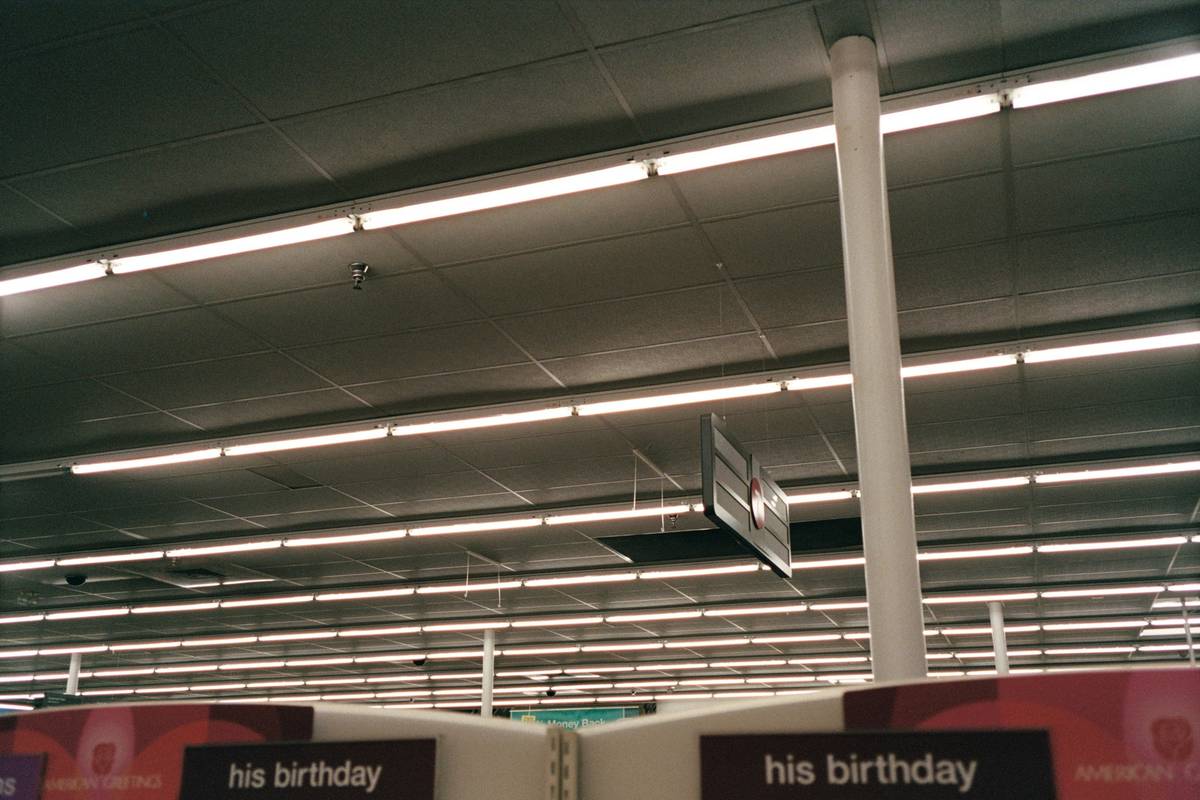
You install cheap track lights or slap in generic ceiling panels. They cast harsh shadows or wash out colors. Merchandise looks dull. Skin tones under fitting room LEDs? Sickly green. And forget spotlighting premium items—they vanish into visual noise.
Worse: inconsistent color temperature across zones confuses the eye. One aisle glows warm (2700K), another screams clinical blue (5000K). The brain subconsciously registers dissonance—not luxury, not trust. Just chaos.
How to Choose & Install Retail Store Light Fixtures That Convert
Forget one-size-fits-all. Strategic lighting is surgical. It guides attention, enhances texture, and triggers emotion. Here’s how to do it right:
Map Your Visual Hierarchy First
Before buying a single bulb, walk your store floor. Where should eyes go first? New arrivals? High-margin displays? Clearance bins? Assign each zone a priority level—then light accordingly.
Pick Fixtures by Function, Not Fashion
A pendant might look “Instagrammable,” but if it casts glare on reflective surfaces, it’s useless. Focus on beam angle, CRI (Color Rendering Index), and adjustability. Aim for CRI >90—anything lower distorts true product color.
Layer Like a Pro
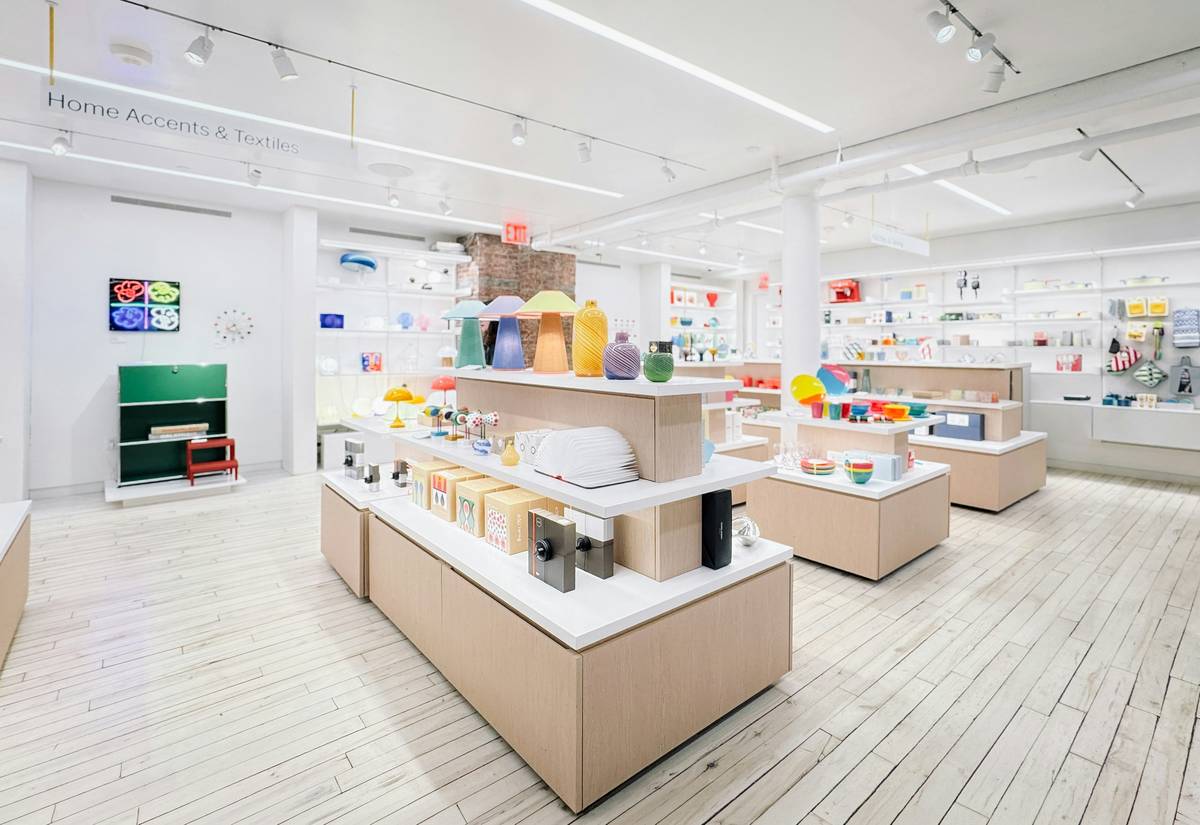
Ambient + accent + task lighting isn’t optional. Ambient sets mood. Accent highlights hero products. Task lights support function (e.g., checkout counters). Skip any layer, and you lose control over the customer journey.
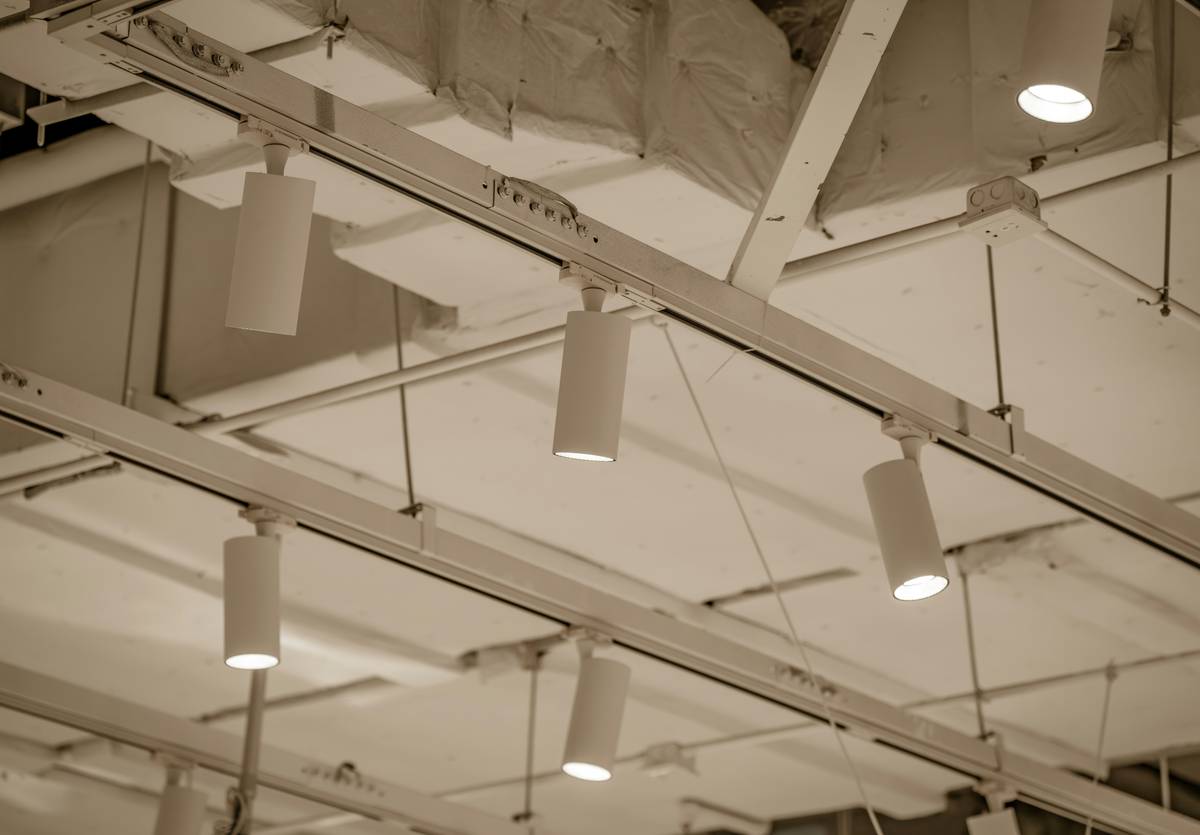
| Fixture Type | Best Use Case | Avg. Cost per Unit | CRI Recommendation |
|---|---|---|---|
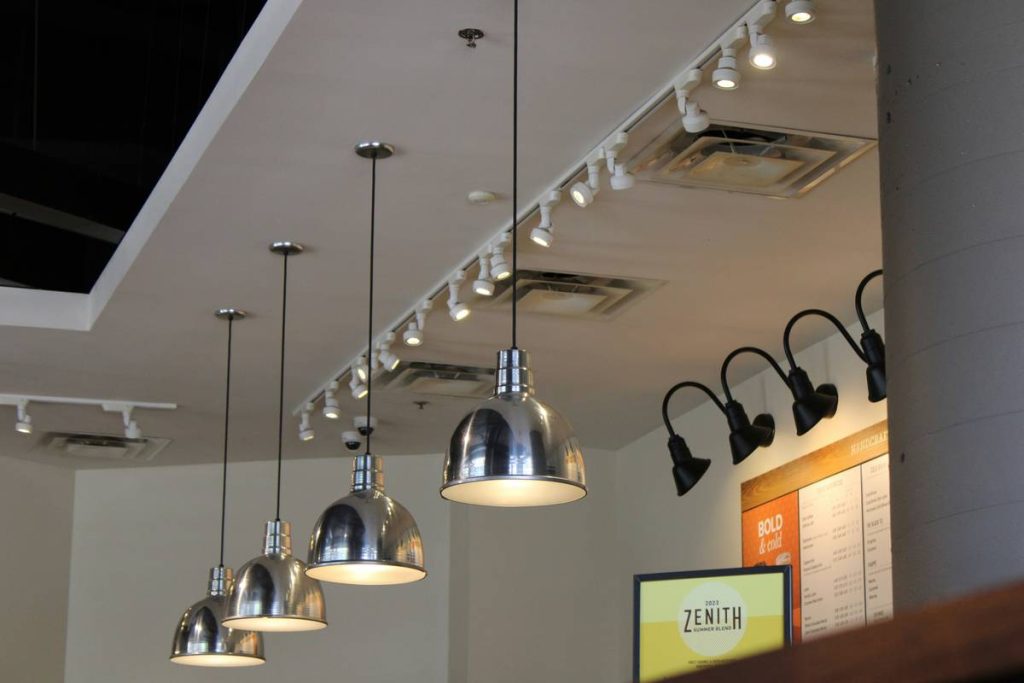
| Track Lighting | Flexible spotlighting for rotating displays | $45–$120 | ≥90 |
| Recessed Downlights | General ambient coverage in low-ceiling spaces | $25–$80 | ≥85 |
| Linear LED Strips | Under-shelf glow, cove lighting, signage backlighting | $20–$60/ft | ≥90 |
| Pendant Clusters | Focal points over checkout or feature tables | $90–$300+ | ≥80 (style can outweigh CRI here) |
Test Before You Commit
Borrow demo units. Run them at different times of day. Observe how fabrics, metals, and packaging respond. What looks vibrant at noon may look muddy under evening streetlight bleed-through.
The Industry Secret: Dynamic Tuning Beats Fixed Brightness
Here’s what lighting reps won’t tell you: static brightness is dead weight. Top-tier boutiques now use tunable white systems that shift color temperature throughout the day. Morning? Crisp 4000K to energize. Evening? Warm 2700K to soothe and linger. The result? Longer dwell time, higher basket size.
And it’s not just ambiance. A hidden benefit: reduced lamp replacement costs. Tunable LEDs run cooler, last longer, and adapt to seasonal inventory—no rewiring needed when you switch from summer whites to winter knits. But—most small retailers skip this because they assume it’s “too techy.” It’s not. Plug-and-play kits exist under $500.
Frequently Asked Questions
What’s the ideal brightness for retail store light fixtures?
Aim for 300–500 lux on product surfaces. Entryways need 750+ lux to draw attention; fitting rooms 500 lux minimum for accurate skin tone rendering.
Are LED fixtures worth the upfront cost?
Absolutely. They use 75% less energy than halogen and last 25,000+ hours. Payback period? Often under 14 months when you factor in HVAC savings (less heat output).
Can I mix fixture styles in one store?
Yes—but stick to one color temperature family (e.g., all 3000K) and consistent finish (brushed nickel, matte black). Variety in form, unity in tone.