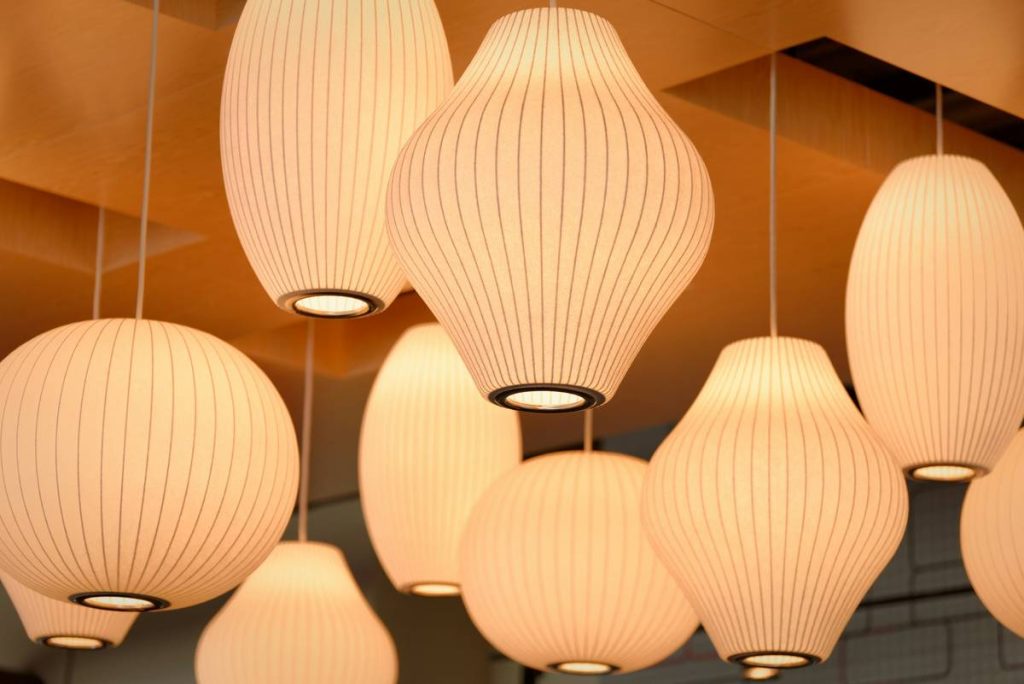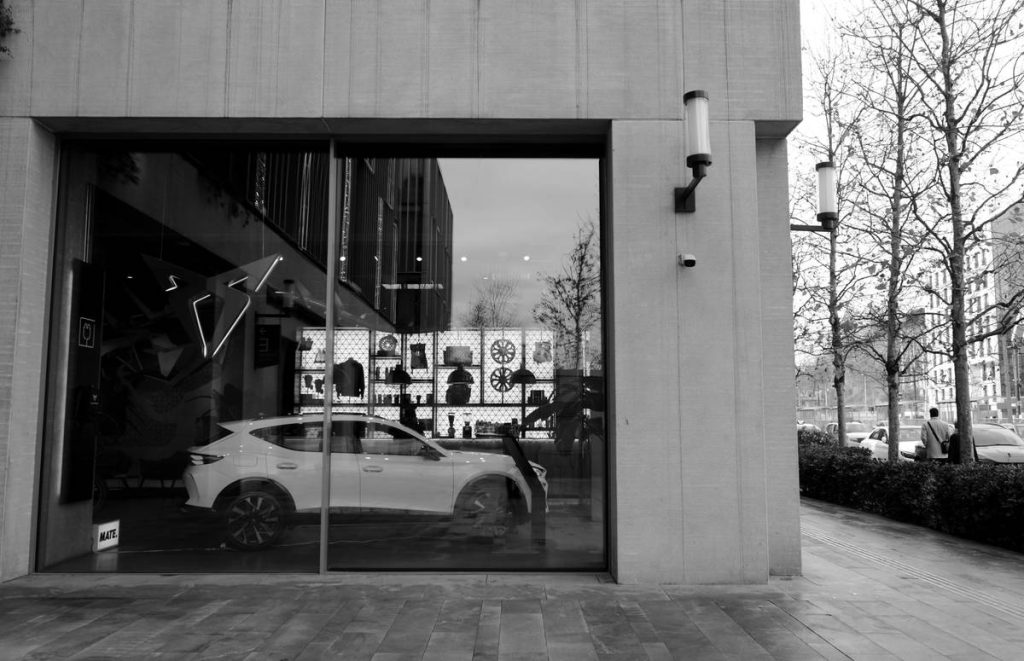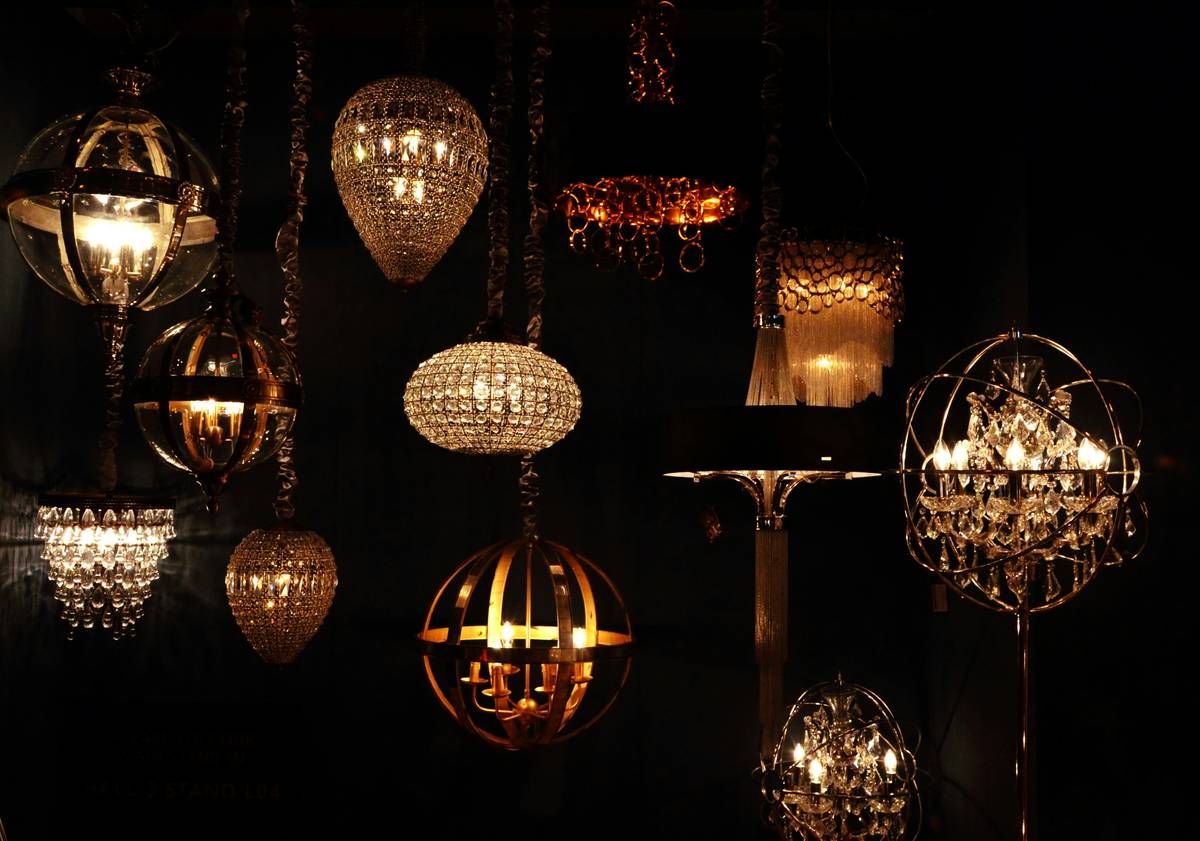
If you’ve ever walked into a store that feels chaotic, shadowy, or just “off,” chances are the lighting fixtures weren’t chosen with retail psychology in mind. As someone who once installed recessed halogen spots in a boutique—only to watch customers squint at price tags while overheating near the displays—I’ve learned the hard way that what are retail fixtures isn’t just a technical question. It’s the difference between a space that sells and one that silently drives shoppers away.
In this guide, we’ll unpack the essentials of retail lighting for commercial spaces, from strategic placement to energy-smart choices. You’ll get actionable steps, real-world examples, and insider tips—all backed by industry standards and hard-won experience.
Table of Contents
- Why Retail Lighting Makes or Breaks Sales
- How to Choose & Install Retail Fixtures: A Practical Guide
- 5 Best Practices for High-Impact Retail Lighting
- Case Studies: When Lighting Lifted Revenue
- Frequently Asked Questions
Key Takeaways
- Retail fixtures include track lights, pendants, cove systems, and display-specific luminaires designed to highlight products and guide customer flow.
- Poor lighting can reduce perceived product quality by up to 30%, according to the U.S. Department of Energy.
- Color Rendering Index (CRI) above 90 is non-negotiable for apparel, cosmetics, and food retail.
- Always layer ambient, task, and accent lighting—never rely on a single source.
- Avoid uniform grid layouts; they create visual fatigue and kill focal points.
Why Retail Lighting Makes or Breaks Sales
Most store owners treat lighting as an afterthought—installing ceiling grids during construction and calling it a day. But in commercial home improvement settings like furniture showrooms, hardware stores, or luxury tile galleries, lighting directly influences how materials, textures, and colors are perceived. And perception drives purchase decisions.
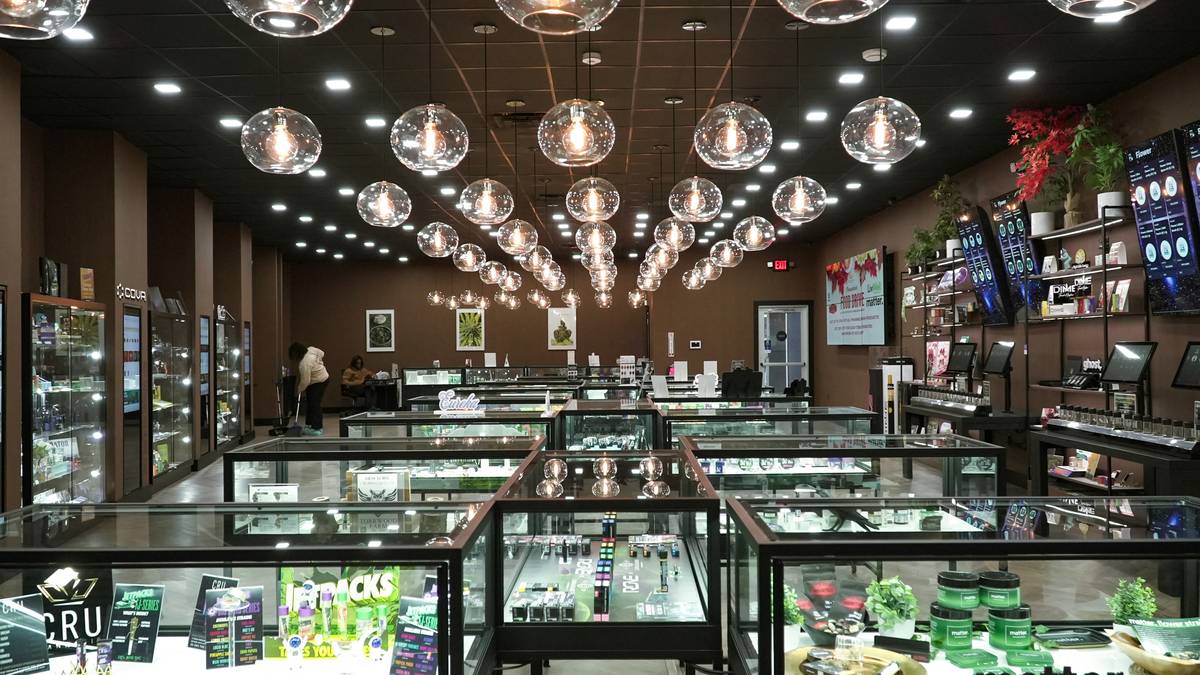
The truth? What are retail fixtures really boils down to engineered attention tools. Unlike residential lighting—which prioritizes comfort—retail fixtures must perform three jobs simultaneously: reveal true color, create hierarchy, and control mood. Fail at any one, and you risk losing sales without even knowing why.
According to the U.S. Department of Energy’s Commercial Lighting Solutions program, optimized retail lighting can increase sales conversion by 12–18% while cutting energy costs by 40% through LED retrofits. That’s not hype—it’s physics meeting psychology.
How to Choose & Install Retail Fixtures: A Practical Guide
1. Define Your Zones
Map your space into high-focus (product displays), mid-focus (aisles), and low-focus (storage/back office) zones. Each requires different lumens per square foot—typically 50–75 for aisles, 100–150 for featured displays.
2. Select Fixture Types Strategically
Use adjustable track heads for seasonal displays, linear suspensions over countertops, and wall grazers for textured surfaces like stone or brick. Track lighting remains the most versatile for evolving inventory layouts.
3. Prioritize CRI and CCT
Choose LEDs with a Color Rendering Index (CRI) ≥90 and Correlated Color Temperature (CCT) between 2700K (warm) for boutiques or 4000K (neutral) for hardware stores. Mismatched temperatures create visual dissonance—trust me, I once mixed 3000K and 5000K in a kitchen showroom. Customers thought our white cabinets were two different brands.
4. Layer Light Sources
Combine overhead ambient light with vertical accent lighting. This reduces glare and shadows, especially on vertical surfaces like shelves or mannequins.
5. Test Before Full Installation
Borrow demo units or use portable spotlights to simulate fixture placement during daylight hours. Observe how natural light interacts with artificial sources at different times of day.
5 Best Practices for High-Impact Retail Lighting
- Avoid the “Even Grid” Trap: Uniform ceiling grids flatten depth and eliminate visual storytelling. Vary spacing to create rhythm.
- Ditch Basic MR16s: They’re outdated and inefficient. Opt for integrated LED modules with precise beam control.
- Dim Everything: Use dimmable drivers—even in commercial spaces. Flexibility lets you adapt to holidays, events, or time-of-day traffic patterns.
- Mind the Heat: Incandescent and halogen fixtures raise ambient temperature, increasing AC load. LEDs run cooler and safer near fabrics or paper goods.
- Document Your Layout: Keep a digital map of fixture positions, wattage, and CRI specs. Future upgrades will thank you.
And here’s a terrible tip I heard too often: “Just make it brighter.” More lumens ≠ better lighting. Over-illumination causes discomfort glare and washes out detail—a classic rookie mistake we help clients avoid at Inmarc Advertising.
Case Studies: When Lighting Lifted Revenue
A Midwest tile retailer upgraded from fluorescent troffers to tunable-white linear fixtures. By shifting CCT from 4000K (daytime) to 3000K (evening), they enhanced the warmth of natural stone samples. Result? A 22% increase in evening sales of premium tiles within three months.
Another example: A New York boutique used narrow-beam track spots (15°) to highlight handbags against dark velvet walls. According to their POS data, highlighted items sold 37% faster than unlit counterparts. No signage change—just smarter what are retail fixtures implementation.
Frequently Asked Questions
What’s the difference between retail fixtures and commercial lighting?
All retail fixtures are commercial, but not all commercial lighting is retail-optimized. Retail fixtures prioritize visual merchandising—highlighting products, creating ambiance, and guiding flow—while general commercial lighting focuses on safety and function.
Can I use residential lights in a retail store?
Technically yes, but it’s risky. Residential fixtures lack the lumen output, CRI consistency, and durability needed for 12+ hour daily operation. Burnout and poor color accuracy will cost more long-term.
How many retail lighting fixtures do I need per square foot?
It depends on ceiling height and product type. General rule: 1.5–2 watts per sq ft for ambient, plus 3–5 dedicated accent fixtures per key display zone.
Are LED retail fixtures worth the upfront cost?
Absolutely. The U.S. DOE estimates LED retrofits pay back in under 2 years via energy savings and reduced maintenance. Plus, they support dynamic lighting strategies that boost sales.
Conclusion
Understanding what are retail fixtures isn’t about wiring diagrams or bulb specs—it’s about mastering the silent language of light that tells customers, “This product matters.” When done right, your lighting becomes an invisible salesperson working 24/7. Ready to transform your commercial space? Reach out through our Contact Us page—we’ll audit your current setup and suggest high-ROI upgrades. And don’t worry: we follow strict data protocols outlined in our Privacy Policy if you share floor plans or usage metrics.
Remember: In retail, darkness doesn’t hide flaws—it hides profits.