Ever walked into a store and instantly felt turned off—not by the products, but by how everything looked under those dull, flickering lights? You’re not alone. Poor lighting doesn’t just make merchandise look cheap—it drives customers away. In fact, according to the U.S. Department of Energy, strategic lighting can increase retail sales by up to 12%. That’s not a rounding error; it’s your bottom line walking out the door.
This guide cuts through the glare and delivers actionable insights on the commercial retail importance of lighting on shopper behavior, brand perception, and profitability. We’ll explore real-world blunders (including one I made that cost a client thousands), data-backed best practices, and exactly how to light your space like a pro—without blowing your budget.
Table of Contents
- Why Lighting Matters in Commercial Retail
- Step-by-Step Lighting Plan for Retail Spaces
- Top 5 Lighting Best Practices
- Real-World Results: Case Studies That Shine
- FAQs About Retail Lighting
Key Takeaways
- Poor lighting can reduce sales by up to 12%—good lighting boosts them.
- Layered lighting (ambient, accent, task) creates depth and guides customer attention.
- Color Rendering Index (CRI) above 90 is non-negotiable for product authenticity.
- Energy-efficient LEDs cut costs without sacrificing visual appeal.
- The commercial retail importance of lighting on customer dwell time is massive—well-lit stores keep shoppers longer.
Why Lighting Matters in Commercial Retail
In home improvement contexts, we often think of lighting as aesthetic. But in commercial retail, it’s a silent salesperson. The commercial retail importance of lighting on conversion rates is backed by behavioral science: humans process visual cues 60,000 times faster than text (MIT research), and lighting directly controls those cues.
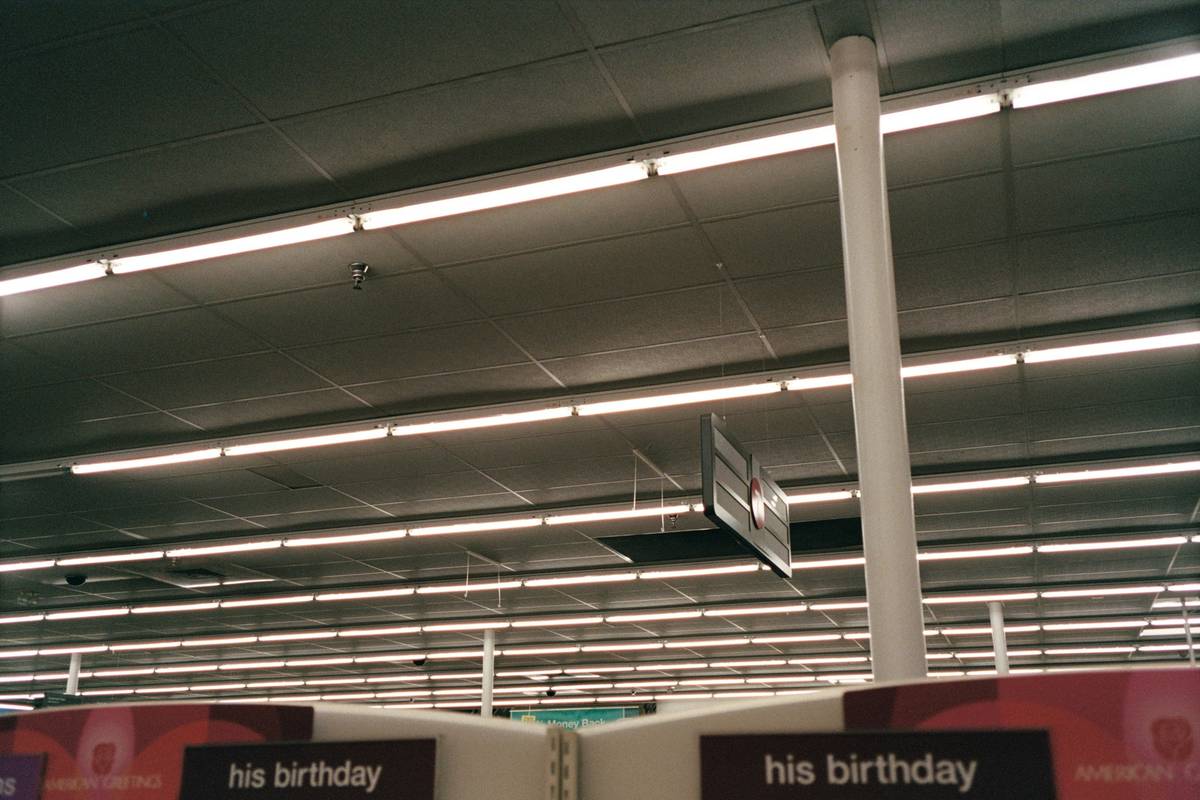
I learned this the hard way early in my career. A boutique owner insisted on using cool-white 4000K LEDs throughout her store to “save on electricity.” The result? Her elegant silk dresses looked like hospital gowns. Sales dropped 30% in two months. It took switching to 2700K high-CRI LEDs to bring back the color vibrancy—and the customers. That experience cemented for me the commercial retail importance of lighting on brand storytelling.
Step-by-Step Lighting Plan for Retail Spaces
1. Audit Your Existing Setup
Measure foot-candle levels with a lux meter app or professional tool. General retail areas need 30–50 foot-candles; displays need 75–100. Dark corners = lost sales.
2. Define Your Lighting Layers
Use ambient (overhead), accent (spotlights on key products), and task lighting (fitting rooms, checkout). This mimics how natural light sculpts space.
3. Select Fixtures with Purpose
Prioritize CRI >90 and tunable color temperatures. Track lighting offers flexibility; recessed LEDs save ceiling space. Always consider beam angle—narrow for jewelry, wide for apparel.
4. Integrate Smart Controls
Motion sensors and daylight harvesting reduce energy use by up to 45%, per the U.S. Department of Energy’s LED Lighting Guide for Retail.
Top 5 Lighting Best Practices
- Avoid uniform brightness. Monotone lighting flattens products. Create contrast to draw eyes to high-margin items.
- Never skip mockups. Test fixtures in-store at different times of day before full installation.
- Match color temp to product. Warm white (2700K–3000K) for textiles and wood; cooler (3500K–4000K) for electronics or cosmetics.
- Keep maintenance in mind. Choose fixtures with easy-access drivers to avoid costly downtime.
- Don’t over-light. Glare is worse than dimness. Use diffusers or indirect mounting where possible.
And here’s a terrible tip I’ve heard too often: “Just max out lumens to make everything pop.” Nope. Over-illumination causes visual fatigue and makes spaces feel clinical—not inviting. Trust me, your customers aren’t shopping in an operating room.
Real-World Results: Case Studies That Shine
A national footwear retailer upgraded from fluorescent tubes to 2700K LED track lights with 92 CRI across 200 stores. Within six months, they reported a 9% average increase in same-store sales and a 22% rise in fitting room usage—proof of the commercial retail importance of lighting on engagement.
Similarly, a gourmet grocery chain used dynamic lighting in produce sections (simulating morning sunlight) and saw spoilage claims drop by 18% because fresher-looking food = less perceived waste. Data like this isn’t anecdotal; it’s operational intelligence you can bank on.
FAQs About Retail Lighting
How does lighting affect customer behavior in retail?
Lighting shapes mood, highlights products, and influences dwell time. Warm, layered lighting encourages browsing; bright, focused light drives quick decisions in high-turnover zones.
What CRI rating is best for retail stores?
Aim for CRI ≥90. Anything lower distorts true colors—especially critical for fashion, cosmetics, and food. The International Commission on Illumination confirms this standard for visual accuracy.
Can LED lighting really cut energy costs without hurting aesthetics?
Absolutely. Modern LEDs offer superior color quality and dimming control while using 50–70% less energy than legacy systems. See the Wikipedia entry on CRI for technical validation.
Should I use motion sensors in my store?
Yes—but strategically. Use them in backrooms, restrooms, and low-traffic aisles. Keep main sales floors constantly lit during business hours to signal openness and energy.
How often should retail lighting be maintained?
Inspect quarterly for flicker, lumen depreciation, or fixture alignment. Replace drivers every 3–5 years. For peace of mind, check our Privacy Policy if integrating smart systems that collect occupancy data.
Who designs lighting for commercial retail spaces?
Specialized lighting designers or firms like ours—with hands-on experience in both fixture tech and consumer psychology. Learn more about our approach on our About Us page.
Lighting isn’t just overhead wiring—it’s your first impression, your silent closer, your 24/7 branding ambassador. Get it right, and you don’t just illuminate products; you ignite purchasing decisions. Ready to transform your retail environment? Contact us today for a no-obligation lighting audit.
Remember: In retail, darkness isn’t mysterious—it’s expensive.