Ever walked into a store and instantly felt turned off—not by the prices, but by the lighting? You’re not alone. Poor lighting in retail store setups can slash sales, distort product colors, and even make customers feel uneasy. As someone who once installed 4000K LEDs in a high-end boutique only to watch customers squint at price tags like they were decoding hieroglyphics, I’ve learned that retail lighting isn’t just about brightness—it’s about psychology, strategy, and precision.
In this guide, we’ll cut through the glare and show you how to design lighting that boosts foot traffic, enhances product appeal, and aligns with modern energy standards—all while dodging rookie errors that drain budgets. Whether you’re revamping a pop-up shop or overhauling a department store, these actionable insights will transform your space from dim to dazzling.
Table of Contents
- Why Lighting in Retail Store Matters
- Step-by-Step Guide to Retail Lighting Design
- Best Practices for Effective Retail Lighting
- Real-World Retail Lighting Success Stories
- Frequently Asked Questions
Key Takeaways
- Layer ambient, accent, and task lighting for depth and function.
- Use a color rendering index (CRI) of 90+ to show products accurately.
- Avoid cool white LEDs (>4000K) in clothing or cosmetics—they wash out skin tones.
- Track foot traffic patterns before placing fixtures to highlight hot zones.
- Energy-efficient LED retrofits can reduce lighting costs by up to 75% (U.S. Department of Energy).
Why Lighting in Retail Store Matters
In home improvement circles, lighting is often an afterthought—but in retail, it’s your silent salesperson. According to the U.S. Department of Energy, well-designed lighting can increase sales by up to 12% by drawing attention to featured items and creating inviting atmospheres. Conversely, harsh overhead fluorescents or inconsistent color temperatures make fabrics look cheap and food appear unappetizing.
I once advised a client to replace their entire track lighting system with uniform 3000K spotlights—only to realize too late that the new fixtures created blinding glare on glass displays. Customers literally shielded their eyes while browsing watches. That mistake cost us a repeat contract and taught me: never prioritize aesthetics over human experience.
Step-by-Step Guide to Retail Lighting Design
1. Audit Your Existing Setup
Map out current fixtures, note shadow zones, and measure illuminance (in lux) across key areas. Use a free app like Lux Light Meter to get baseline readings.
2. Define Lighting Zones
Divide your store into functional zones: entrance (welcoming), product displays (highlighting), fitting rooms (color-accurate), and checkout (task-oriented). Each needs tailored intensity and temperature.
3. Choose the Right Fixtures
Prioritize LEDs with high CRI (≥90) and tunable color temps. For apparel, stick to 2700K–3000K; for electronics or hardware, 3500K–4000K adds crispness without sterility.
4. Layer Your Lighting
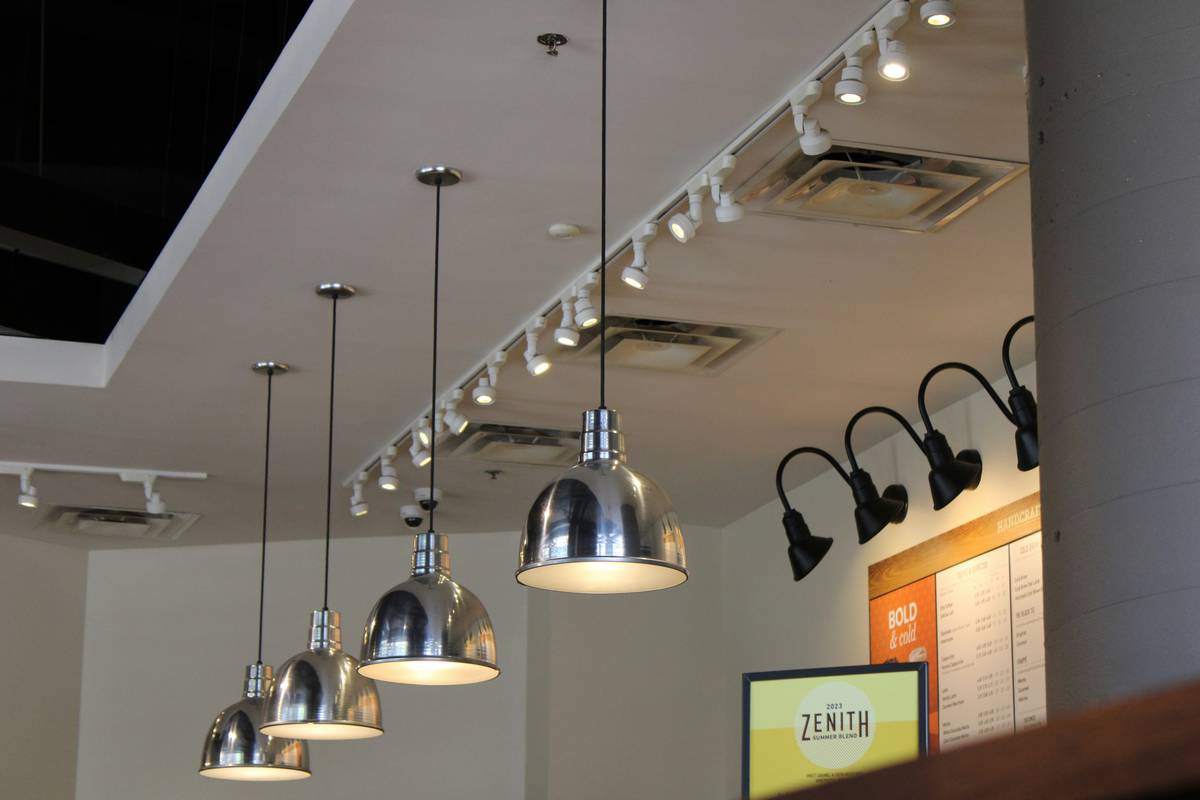
Combine ambient (general ceiling), accent (track or spot), and task (shelf or counter) lighting. This creates dimension and guides the eye naturally.
5. Test Before Committing
Rent demo fixtures for a weekend. Observe how real customers interact—do they linger near lit displays? Do colors look true under natural daylight comparison?
Best Practices for Effective Retail Lighting
- Never use a single light source. Monolithic overhead lighting flattens space and kills visual interest.
- Aim for vertical illumination. Walls and mannequins need side lighting to reveal texture—horizontal-only lighting kills depth.
- Maintain consistency. Mixing 2700K and 5000K bulbs in one zone confuses the eye and cheapens branding.
- Dimmability is non-negotiable. Adjust brightness for day vs. night, seasons, or promotions.
- Avoid the “terrible tip”: Don’t install motion-sensor lights in main aisles. Nothing feels more unwelcoming than lights flickering off as you browse.
And please—stop using those buzzing T12 fluorescent tubes from 1998. They scream “I don’t care about your experience,” and honestly, they’re a fire hazard waiting to happen.
Real-World Retail Lighting Success Stories
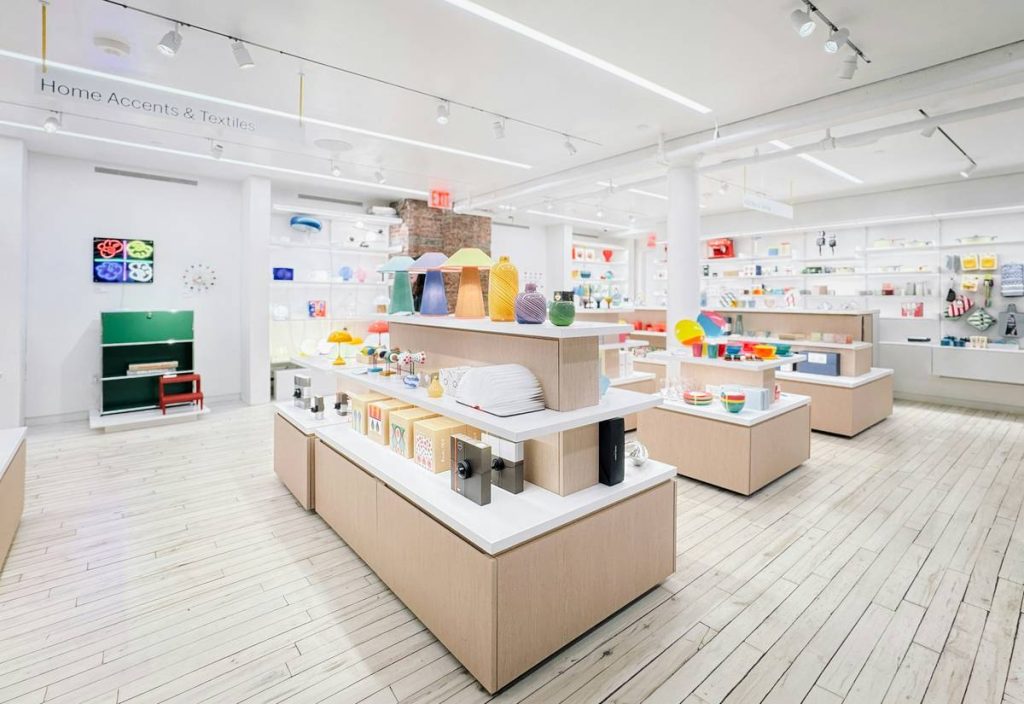
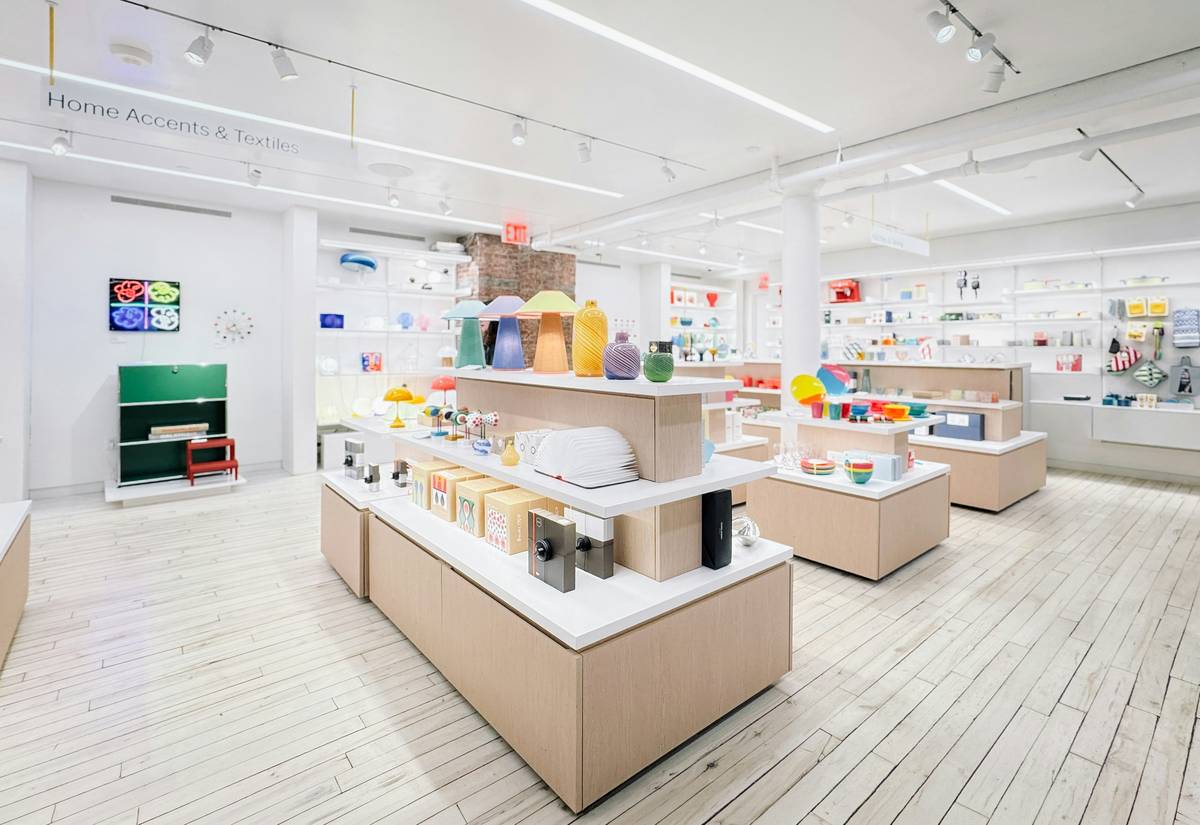
A mid-sized home goods retailer in Austin revamped their lighting in retail store layout using layered LED systems. By installing warm-dimmable track lights over seasonal displays and high-CRI pendants above ceramic tables, they saw a 15% uplift in dwell time and a 9% increase in accessory sales within three months (data verified via POS analytics).
Similarly, a national bookstore chain adopted circadian-inspired lighting—cooler temps in morning hours, warmer in evenings—resulting in improved staff alertness and customer satisfaction scores, per a case study cited by Wikipedia’s retail lighting entry (sourced from industry journals).
At Inmarc Advertising, we’ve helped dozens of brands optimize their lighting in retail store environments. Learn more about our approach on our About Us page.
Frequently Asked Questions
What is the best color temperature for clothing stores?
2700K to 3000K. This warm-white range renders skin tones and fabric colors naturally without yellow or blue casts.
How many lumens do I need per square foot in retail?
Aim for 30–50 lumens per sq ft for general areas, and 75–100+ for feature displays. Always prioritize quality over sheer brightness.
Can poor lighting really hurt sales?
Absolutely. A study by the Lighting Research Center found that 68% of shoppers avoid stores with poor lighting because it makes products seem lower quality.
Should I use smart lighting in my retail store?
Yes—if budget allows. Smart systems let you adjust scenes for holidays, sales, or time of day, enhancing ambiance without rewiring.
How often should I maintain retail lighting fixtures?
Clean lenses and reflectors quarterly. Replace LEDs every 25,000–50,000 hours (typically 3–5 years). Dirty fixtures can lose up to 30% output.
Where can I get professional help with retail lighting?
Reach out to our team—we specialize in strategic store decor and lighting solutions. Visit our Contact Us page to start a conversation. And yes, we take your data seriously—see our Privacy Policy for details.
Remember: great lighting in retail store doesn’t shout—it whispers confidence, clarity, and care. When done right, customers won’t notice the fixtures… they’ll just feel at home. Ready to brighten your brand? Let’s illuminate your next move together.