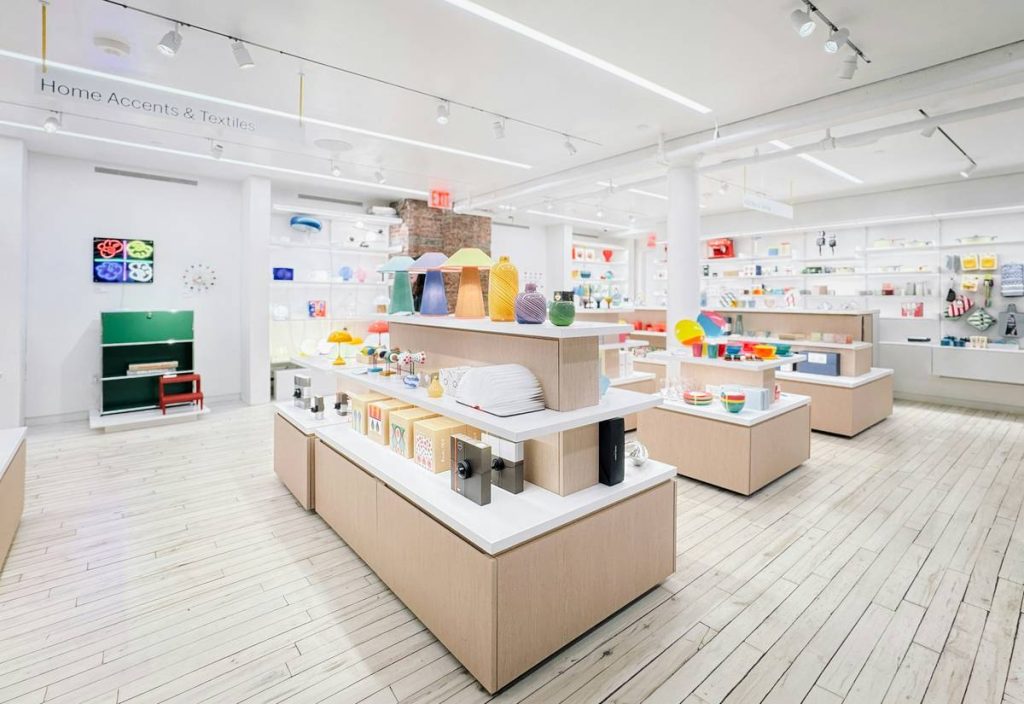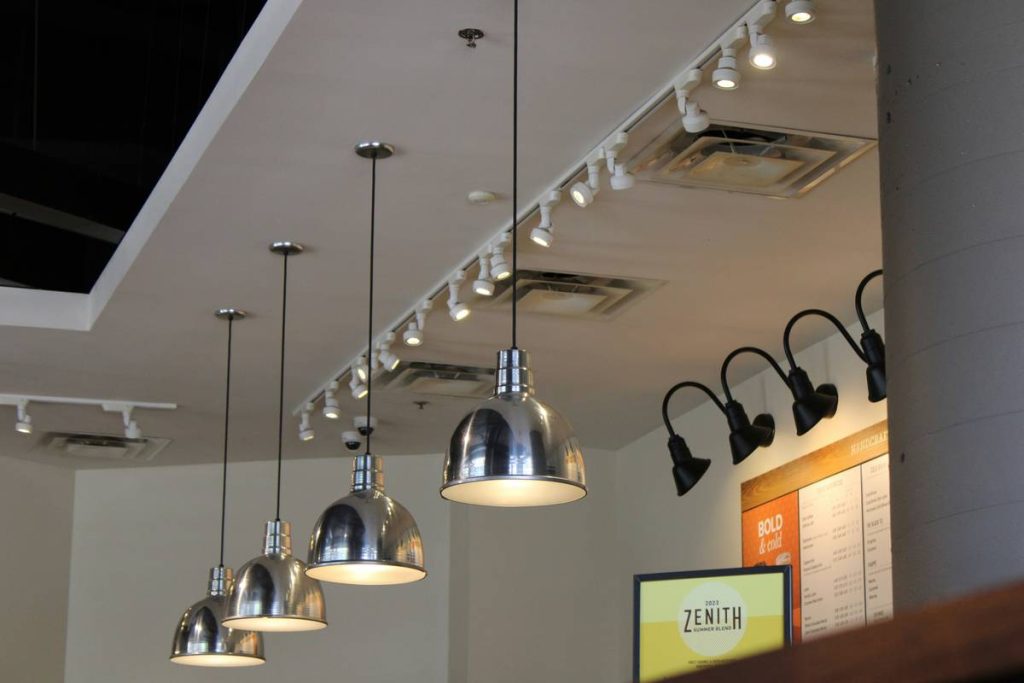
Your retail space feels flat. Products look dull under harsh overheads. Customers linger less—and buy less. You’ve tried swapping bulbs, adding track lights, even painting walls brighter. Nothing sticks. Here’s the truth: retail store lighting fixtures aren’t just about illumination—they’re silent salespeople. Get them wrong, and you leak revenue. Get them right, and you shape mood, focus, and urgency without saying a word.
Why Most Retail Lighting Setups Backfire
Most stores treat lighting like an afterthought—tacked on during construction or updated only when a bulb dies. Big mistake. Generic fluorescent troffers wash out textures. Cheap LEDs flicker at 120Hz—subconsciously stressing shoppers. And uniform brightness? It kills hierarchy. Your premium display should command attention, not blend into the sea of sameness.
And here’s what nobody admits: bad lighting doesn’t just hurt aesthetics—it distorts color rendering. That “crisp white” t-shirt under CRI 70 lighting? It looks yellowed and cheap. Customers walk. Sales die.
How to Engineer High-Converting Retail Store Lighting Fixtures
Forget “brighter is better.” Strategic retail lighting layers three key elements: ambient base, accent highlights, and task-specific focus. Balance them—and your conversion rate climbs.
Start With Light Layering
Ambient light sets the overall mood—think recessed downlights or cove lighting at 30-50 lux. Accent lighting (track heads, spotlights) targets displays at 300–500 lux. Task lighting? Reserved for fitting rooms or checkout counters. Layering creates depth. Depth creates engagement.
Prioritize CRI Over Lumens
Lumens measure brightness. CRI (Color Rendering Index) measures truth. For apparel, cosmetics, or food retail, demand CRI 90+. Your $200 sweater deserves to look like $200—not $40. Skip this, and you’re selling shadows.
Match Beam Angles to Product Scale
Narrow beam (15°–25°)? Perfect for jewelry or small luxury items. Wide flood (60°+)? Ideal for wall displays or mannequins. Mismatched beams scatter focus. Precision guides the eye.
| Lighting Type | Ideal Use Case | Recommended CRI | Avg. Cost per Fixture (USD) | Energy Efficiency (lm/W) |
|---|---|---|---|---|
| LED Track Lights | Highlighting displays, flexible repositioning | 90+ | $45–$120 | 100–140 |
| Recessed Downlights | Ambient ceiling coverage | 80+ | $25–$75 | 90–120 |
| Linear Suspended Panels | Modern minimalism, high-ceiling spaces | 85+ | $80–$200 | 110–150 |
| Display Case LEDs | Glass cabinets, fine jewelry | 95+ | $30–$90 | 80–110 |
The Unspoken Rule: Light Temperature Dictates Dwell Time
Here’s the industry secret most consultants won’t share: cooler temperatures (4000K–5000K) speed up shopper movement. Warmer tones (2700K–3000K) slow them down—by up to 22%, according to observational studies in mid-tier fashion retailers. Fast-fashion? Lean cool. Luxury or home decor? Go warm. This isn’t preference—it’s behavioral psychology wired through photons. But most stores blast 3500K everywhere and wonder why their high-end candles feel “discount.” The math is simple: match Kelvin to intent, not inventory.
Frequently Asked Questions
What is the best lighting for a small retail store?
Use layered LED track lighting (CRI 90+, 3000K) combined with recessed ambient downlights. Avoid single-source overheads—they flatten spatial perception.
How bright should retail store lighting be?
Aim for 300–500 lux on product displays. Ambient zones can run 50–100 lux. Never exceed 750 lux—glare triggers subconscious exit cues.
Can I retrofit old fixtures with new LEDs?
Yes—but only if the housing supports thermal management and beam control. Many vintage housings scatter light. Often, full replacement yields better ROI.