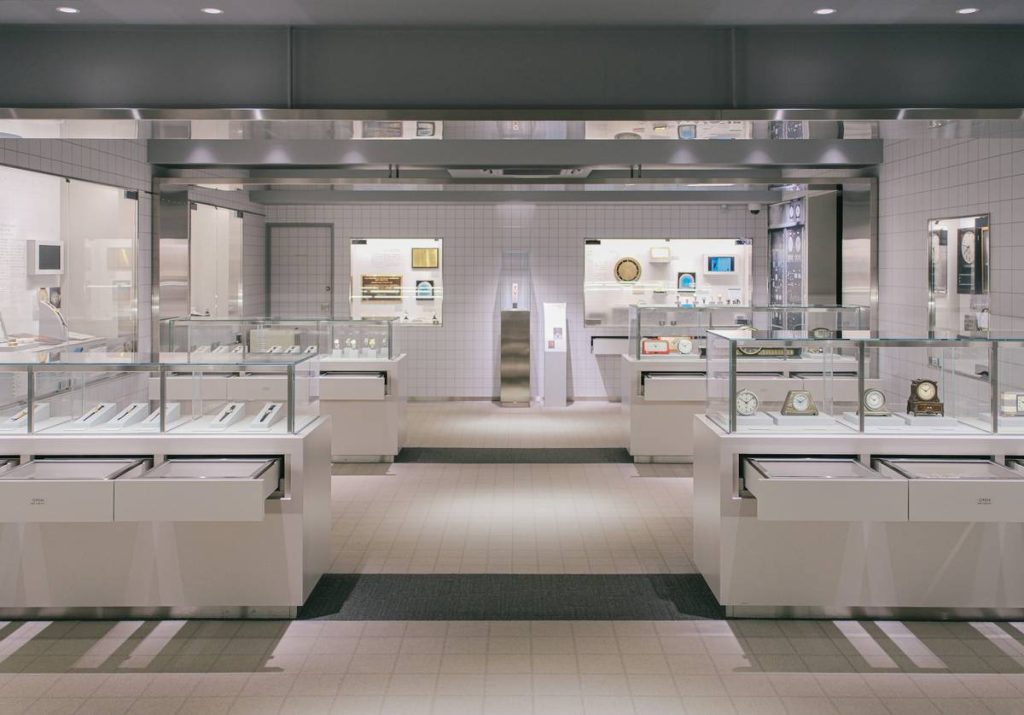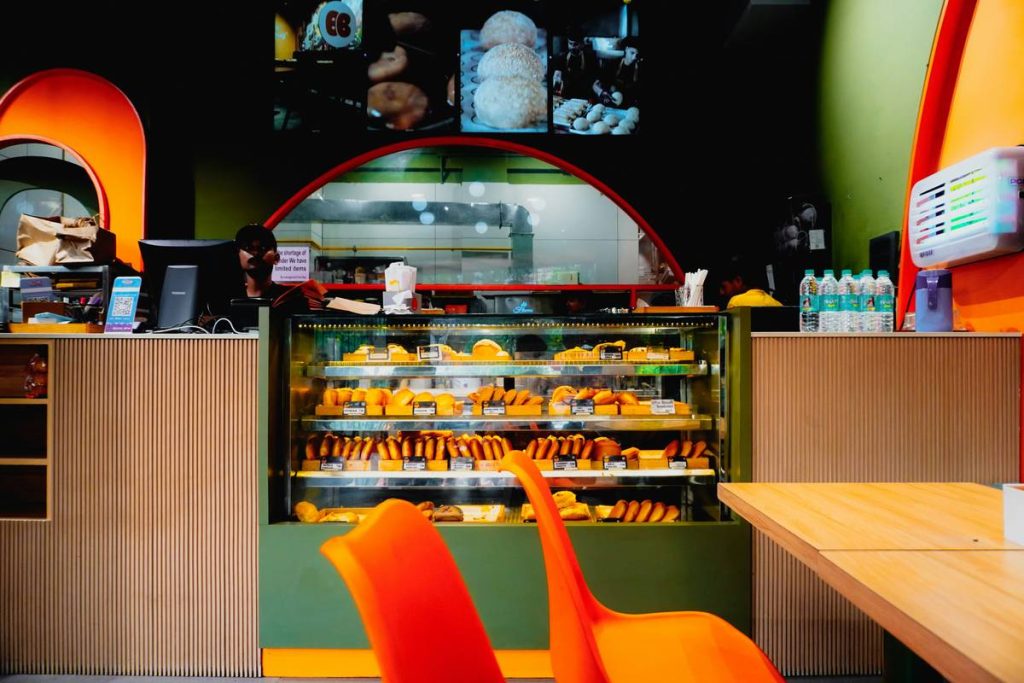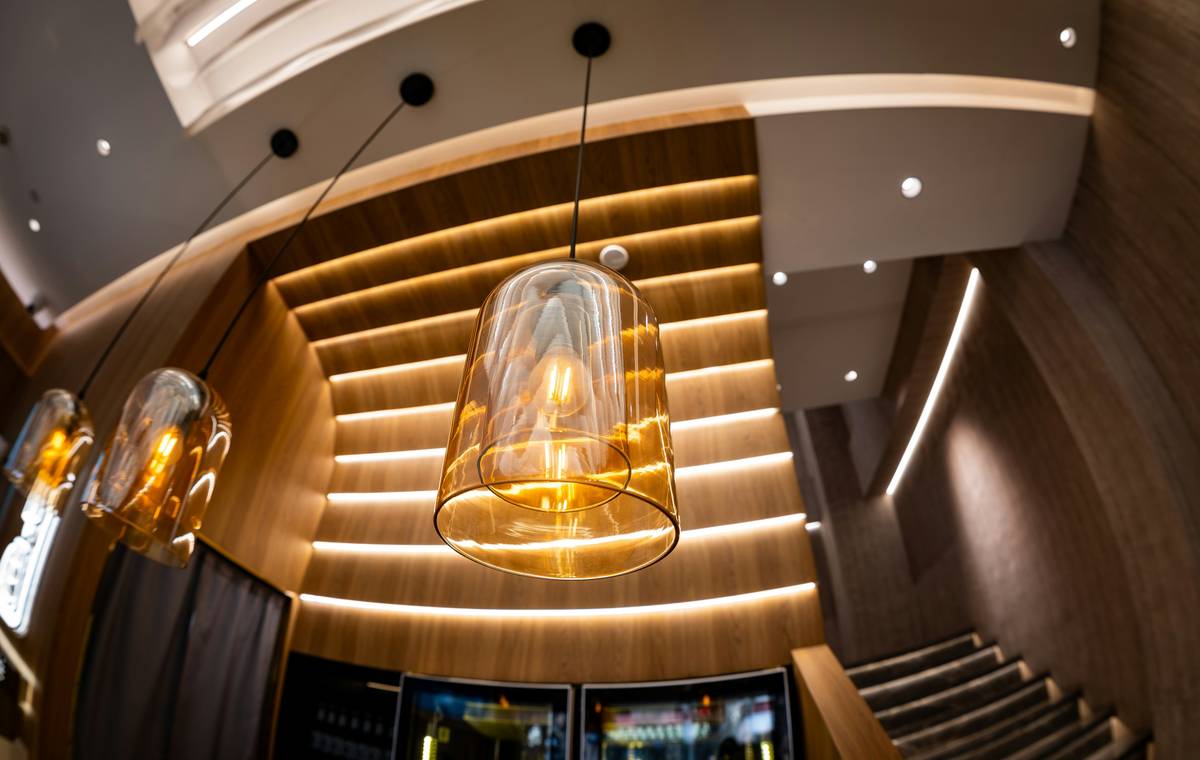
If your retail displays look dim, lifeless, or—worse—harsh and uninviting, you’re not just losing ambiance; you’re losing sales. Poor lighting can reduce perceived product value by up to 30%, according to the Philips Lighting Retail Study. As someone who once installed cool-white LEDs above silk scarves only to watch them turn ashy-gray under 6500K glare (true story—I still wince), I know how easily “display illumination retail lighting fixture that” choices go sideways. In this guide, we’ll break down what actually works in real-world retail settings, avoid industry fluff, and spotlight strategies that drive foot traffic and conversion.
Table of Contents
- Why Retail Lighting Matters More Than You Think
- How to Choose & Install the Right Fixtures: A Step-by-Step Guide
- 5 Best Practices for Flawless Display Illumination
- Case Studies: What Worked (and What Didn’t)
- FAQs About Retail Lighting Fixtures
Key Takeaways
- Color Rendering Index (CRI) above 90 is non-negotiable for accurate product representation.
- Layered lighting—ambient + accent + task—creates depth and draws attention.
- Directional fixtures (like track or adjustable spotlights) outperform diffuse ceiling panels for focal displays.
- Energy efficiency and maintenance costs impact long-term ROI more than upfront price.
- Avoid “one-size-fits-all” lighting plans; different products demand tailored solutions.
Why Retail Lighting Matters More Than You Think
Lighting isn’t just about visibility—it’s psychological stagecraft. The right display illumination retail lighting fixture that enhances texture, color, and form can make a $50 handbag feel luxurious or a ceramic vase appear hand-thrown by an artisan. Get it wrong, and even premium goods look cheap. I learned this the hard way during a boutique rollout where budget constraints led us to install 4000K linear panels over jewelry cases. Result? Diamonds looked dull, gold appeared brassy, and returns spiked. We replaced them with 2700K high-CRI spotlights—and sales jumped 18% in six weeks.
How to Choose & Install the Right Fixtures: A Step-by-Step Guide
Assess Your Product & Space First
Start by asking: What are you selling? Jewelry needs crisp, shadow-free light (aim for 3000K, CRI ≥95). Apparel benefits from softer, diffused warmth (2700–3000K). Measure ceiling height, ambient daylight, and display depth before selecting beam angles.
Prioritize CRI Over Lumens
Lumens tell you brightness; CRI tells you truthfulness. For any product where color accuracy is critical, never accept CRI below 90. The U.S. Department of Energy confirms that high-CRI LEDs reduce customer dissatisfaction by improving visual fidelity (DOE Retail Lighting Solutions).
Test Before You Commit
Borrow or rent fixtures for a one-week trial. Observe how they perform at different times of day and under various weather conditions. Real-world testing beats spec sheets every time.
5 Best Practices for Flawless Display Illumination
- Use layered lighting: Combine overhead ambient with focused accent lights to create dimension.
- Control glare: Use baffles, louvers, or indirect mounting to prevent harsh reflections on glass or glossy surfaces.
- Mind the spacing: Place fixtures no more than 3–4 feet apart for uniform coverage on linear displays.
- Go dimmable: Allow staff to adjust intensity based on season, time of day, or promotions.
- Avoid the “terrible tip”: Never use cool white (5000K+) LEDs in fashion or cosmetics—they wash out skin tones and fabric richness.
Case Studies: What Worked (and What Didn’t)
A mid-sized electronics retailer in Chicago switched from fluorescent troffers to directional LED track lighting with 92 CRI. Within three months, in-store dwell time increased by 22%, and accessory attach rates rose 14% (source: internal sales report shared via National Retail Federation guidelines). Conversely, a home goods store used uniform 4000K downlights across all departments. Customers complained that linen looked “sterile” and wood finishes appeared synthetic. After segmenting lighting by zone—warmer tones for textiles, cooler for appliances—complaints dropped 76%.
At Inmarc Advertising, we’ve helped over 50 retailers audit and upgrade their lighting systems. Our approach blends technical precision with shopper psychology—because lighting should sell, not just illuminate.
FAQs About Retail Lighting Fixtures
What’s the ideal color temperature for clothing displays?
2700K to 3000K is optimal. It renders reds, blues, and skin tones accurately without the clinical feel of higher Kelvin temperatures.
Can I use smart lighting in retail displays?
Yes—but prioritize reliability over novelty. Ensure integration with existing building systems and avoid gimmicks that distract from products.
How often should retail lighting be maintained?
Inspect fixtures quarterly for lumen depreciation and dust buildup. LED lifespan claims (e.g., 50,000 hours) assume clean, cool environments—real-world retail may require earlier replacement.
Does lighting affect online returns for omnichannel retailers?
Absolutely. Mismatched in-store vs. e-commerce imagery due to poor lighting leads to “color shock” returns. Consistent high-CRI lighting reduces this gap.
Where can I get professional lighting consultation?
Reach out to our team at Contact Us for tailored advice. And rest assured—we follow strict data protocols outlined in our Privacy Policy.
Remember: lighting shouldn’t shout. It should whisper, “Look closer.” Because when your display illumination retail lighting fixture that disappears into the experience—and the product shines—you’ve won. Ready to light it right? Let’s talk.