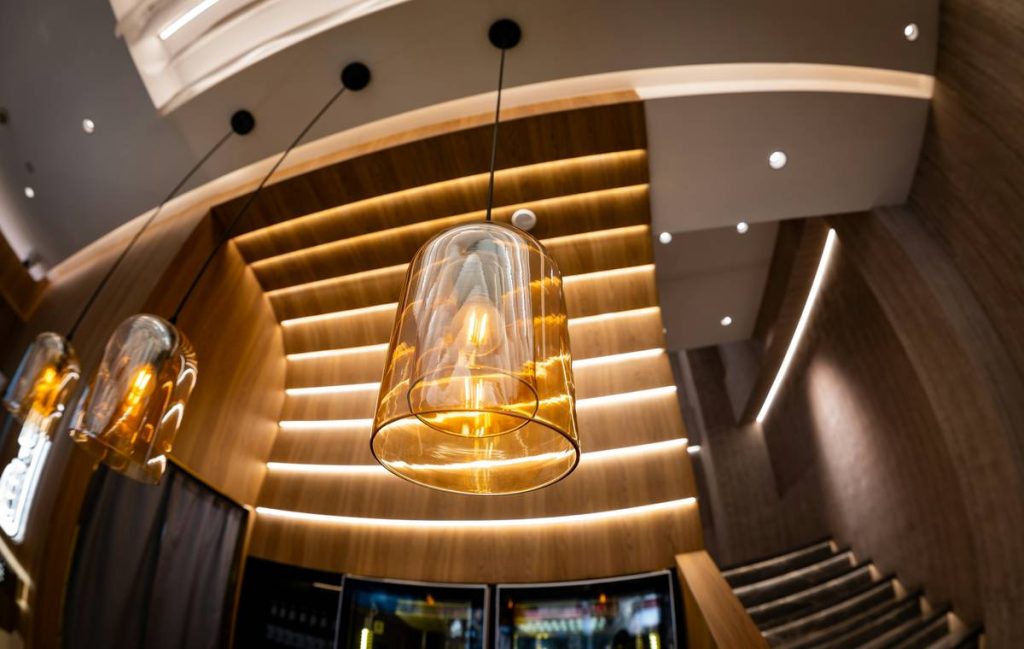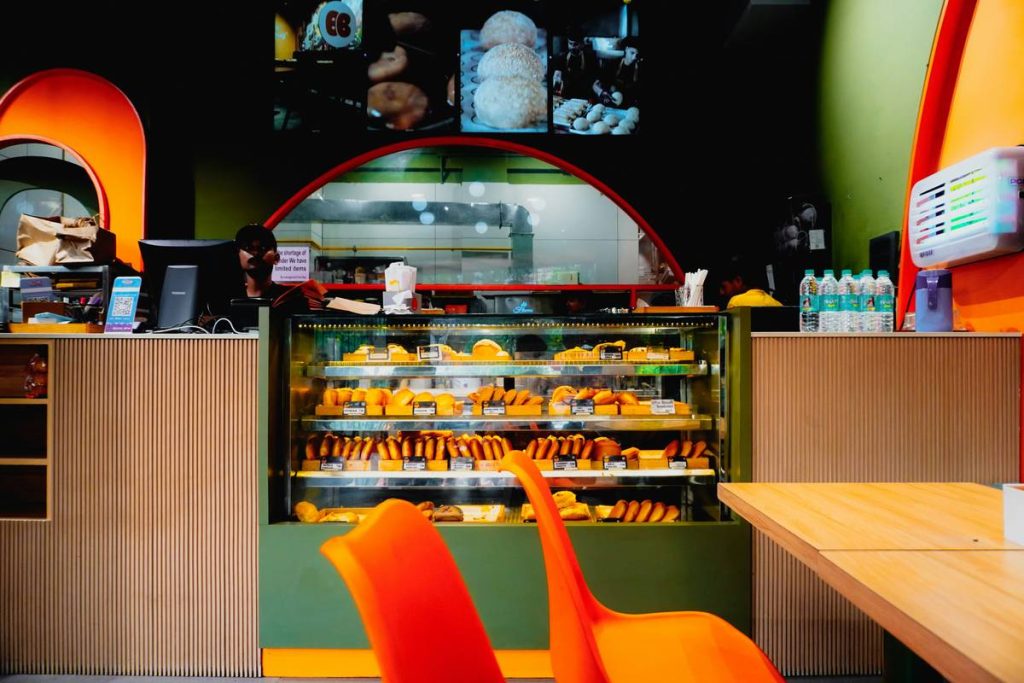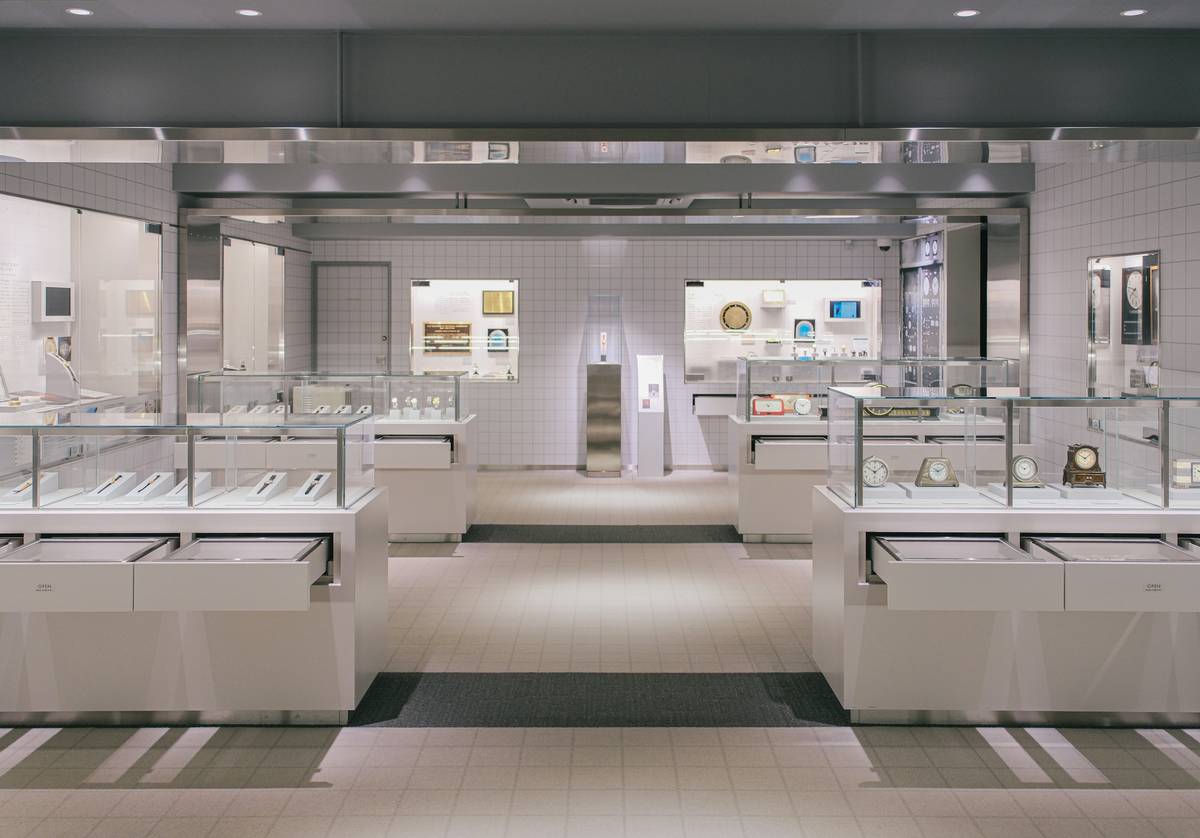
If your retail displays look dull under poor lighting, you’re not just losing ambiance—you’re losing sales. I learned this the hard way when a boutique client nearly walked away after their handcrafted jewelry looked like plastic under harsh fluorescent tubes. The culprit? Ignoring the display illumination retail importance of lighting. In today’s competitive home improvement market, especially within lighting and fixtures, how you illuminate products directly impacts perception, dwell time, and conversion. This guide breaks down exactly why it matters—and how to get it right, without wasting budget or confusing customers.
Table of Contents
- Why Lighting Makes or Breaks Retail Displays
- Step-by-Step: Designing Effective Display Illumination
- 5 Best Practices for Retail Lighting Success
- Real Results: When Lighting Transformed Sales
- Frequently Asked Questions
Key Takeaways
- Poor display lighting can reduce perceived product value by up to 30% (source: U.S. Department of Energy).
- Strategic illumination boosts customer engagement and guides visual navigation through store layouts.
- Avoid “one-size-fits-all” fixtures—different products need tailored color temperature and beam angles.
- Energy-efficient LEDs aren’t just eco-friendly; they offer superior CRI (Color Rendering Index) for truer product colors.
Why Lighting Makes or Breaks Retail Displays
In home improvement retail—from hardware aisles to premium fixture showrooms—lighting isn’t decorative; it’s functional storytelling. Customers judge quality in seconds, and shadows, glare, or incorrect color temperatures distort textures, finishes, and dimensions. According to the U.S. Department of Energy’s Solid-State Lighting Program, well-designed retail lighting can increase sales by 10–20% simply by enhancing product appeal.
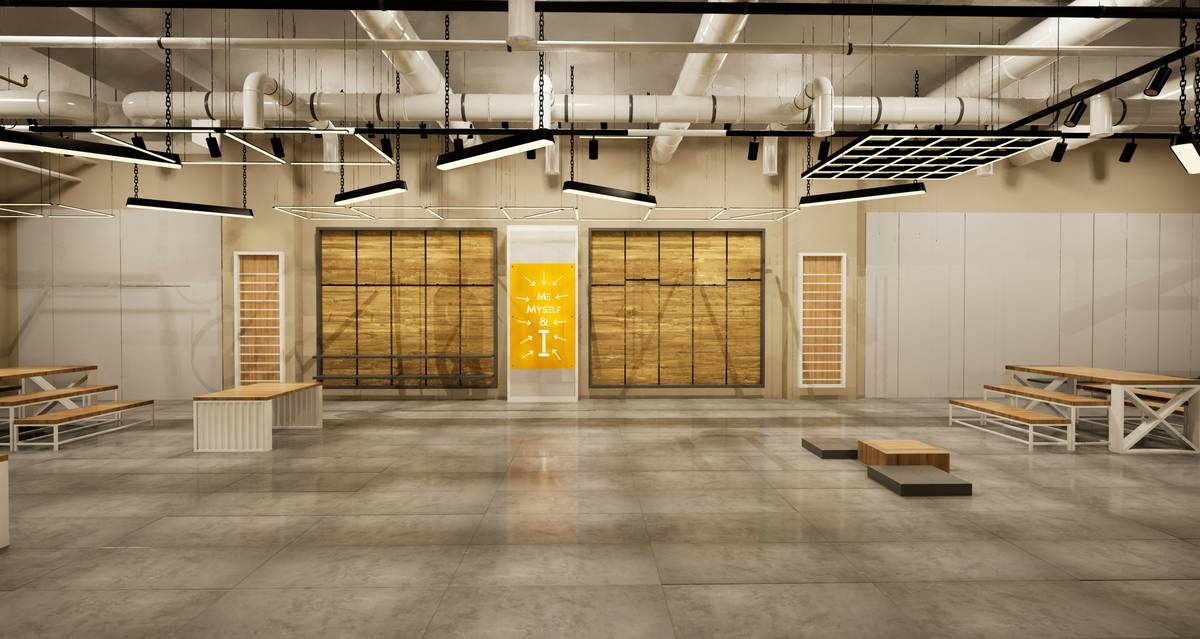
I once specified cool-white LEDs for a rustic furniture display—big mistake. The blue tint made warm oak look gray and uninviting. The client’s complaints taught me that understanding material interaction with light is non-negotiable.
Step-by-Step: Designing Effective Display Illumination
1. Audit Your Space and Products
Map high-traffic zones and identify hero products. Note surface materials (matte vs. glossy), colors, and height variations. A tile backsplash needs diffuse ambient light, while metallic fixtures benefit from focused accent beams.
2. Choose the Right Color Temperature
Stick to 2700K–3000K for warm, inviting atmospheres (ideal for wood, fabric, ceramics). Use 3500K–4000K for modern or industrial items like stainless steel appliances. Never exceed 4000K unless showcasing clinical or tech products—it feels sterile.
3. Prioritize CRI Over Brightness
Brightness alone blinds; CRI reveals truth. Aim for CRI ≥90. That means colors appear as they would in natural daylight. Low-CRI bulbs make reds look brown and whites look yellow—a death sentence for paint or textile displays.
4. Layer Your Lighting
Combine ambient (general ceiling), task (workbench or demo areas), and accent (spotlights on featured items). This mimics how sunlight filters through a room—dynamic and dimensional.
5. Test Before You Commit
Rent fixtures for a weekend trial. Observe how light changes from morning to evening. Adjust angles to eliminate hotspots or reflections on glass cases.
5 Best Practices for Retail Lighting Success
- Mind the beam angle: Narrow beams (15°–25°) spotlight individual items; wider beams (40°+) wash entire displays evenly.
- Dimmers are essential: Let staff adjust intensity based on time of day or seasonal inventory.
- Hide the source: Recessed or baffled fixtures prevent glare. Nobody wants to squint at a lightbulb while admiring a chandelier.
- Avoid mixing color temps: Inconsistent lighting confuses the eye and cheapens the space.
- Update regularly: Dust buildup reduces lumen output by 20% over a year. Schedule quarterly cleanings.
Real Results: When Lighting Transformed Sales
A kitchen showroom in Denver upgraded from halogen spotlights to tunable LED track systems. By adjusting color temperature to match cabinet finishes (warm for cherry, neutral for white lacquer), they reported a 18% increase in closed sales within three months. Similarly, a study by the Retail Design Institute found that 68% of shoppers stayed longer in well-lit sections, directly correlating with higher basket sizes.
At Inmarc Advertising, we’ve helped clients integrate human-centric lighting that aligns with circadian rhythms—boosting both staff alertness and customer comfort. Learn more about our approach on our About Us page.
Frequently Asked Questions
What is the ideal brightness for retail display lighting?
Aim for 300–500 lux on vertical display surfaces. Task areas (like consultation desks) may need 750 lux. Always measure with a lux meter—guessing leads to over- or under-lighting.
Can poor lighting actually hurt product perception?
Absolutely. Incorrect color rendering can make fabrics look faded or metals appear dull. One survey found 42% of consumers assumed poorly lit items were low-quality or outdated.
Are LED fixtures worth the upfront cost?
Yes. They use 75% less energy than incandescent bulbs and last 25x longer. Plus, high-CRI LEDs (≥90) pay for themselves in improved conversion rates—proving the display illumination retail importance of lighting isn’t just aesthetic.
How often should retail lighting be updated?
Replace bulbs every 2–3 years, even if they still work—lumen depreciation degrades performance. Reassess your layout seasonally, especially during holiday promotions.
Do I need professional help for retail lighting design?
For anything beyond basic track lighting, yes. Misplaced fixtures waste energy and create visual chaos. We recommend consulting experts—feel free to contact us for a no-pressure assessment. And rest assured, we adhere strictly to data privacy standards outlined in our Privacy Policy.
Remember: Great retail lighting doesn’t shout—it whispers value into every shadow and highlight. Get it right, and your displays sell themselves.