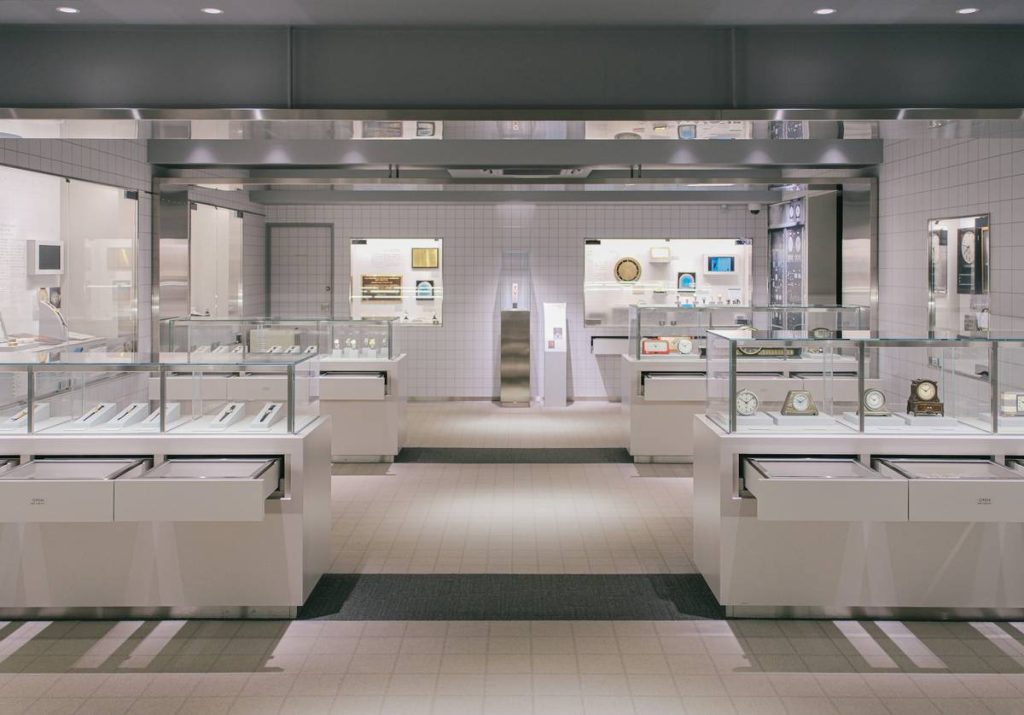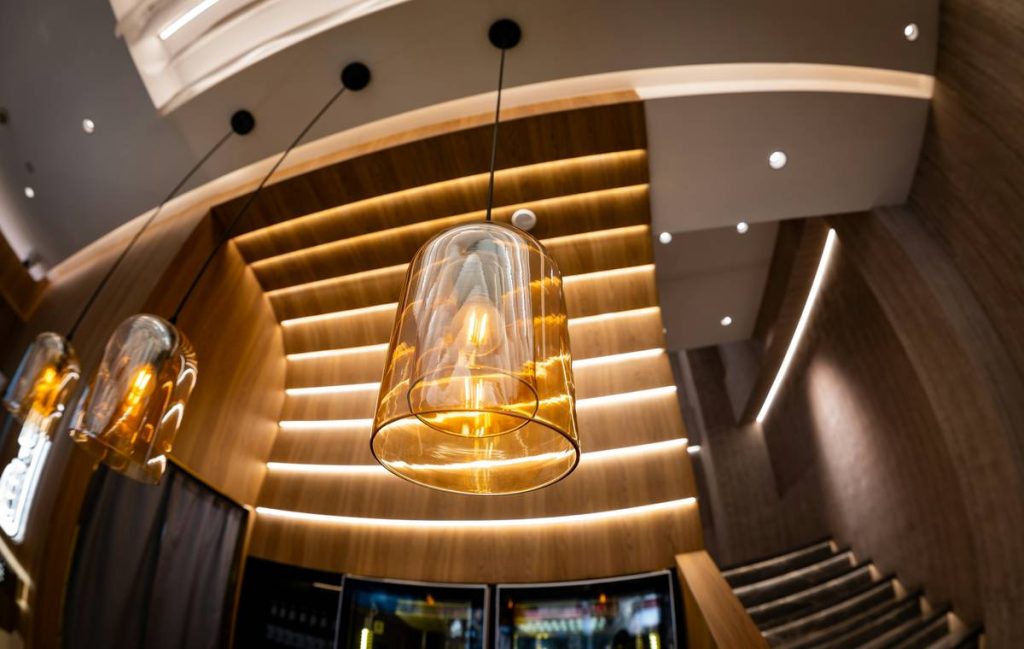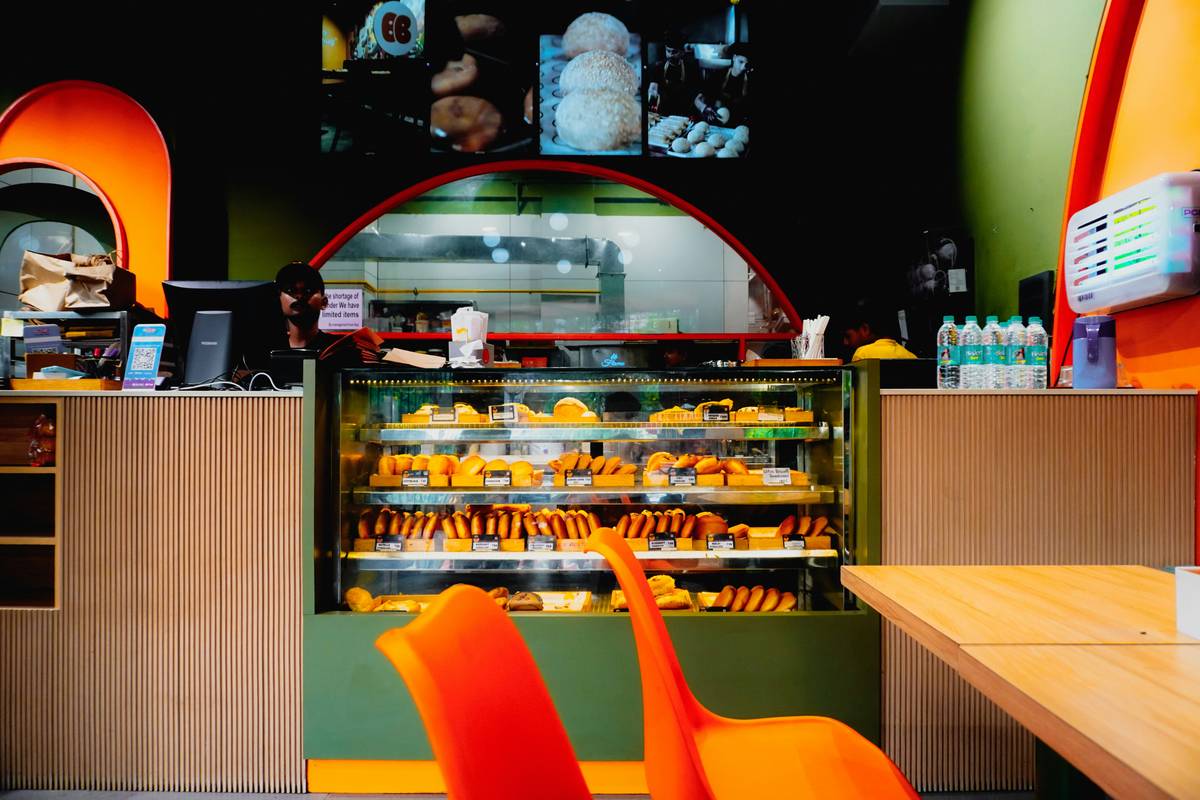
Ever walked into a store where the merchandise looked dull, lifeless, or—worse—glaringly harsh under terrible lighting? You’re not alone. Poor illumination can slash sales by up to 30%, according to research from the Philips Lighting Retail Guide. As someone who once installed 4000K spotlights over vintage denim only to watch customers squint and leave, I’ve learned the hard way that retail fixtures and displays live or die by their light. In this guide, you’ll discover how strategic lighting transforms ordinary setups into profit-pulling experiences—without blowing your budget.
Table of Contents
- Why Lighting Makes or Breaks Retail Fixtures and Displays
- Step-by-Step: Designing High-Impact Display Illumination
- 8 Lighting Best Practices Most Retailers Ignore
- Real Results: How Smart Lighting Boosted Sales
- Frequently Asked Questions
Key Takeaways
- Color temperature (measured in Kelvin) dramatically affects product perception—warm for luxury, cool for freshness.
- Layered lighting (ambient + accent + task) creates depth and focus on key items.
- Energy-efficient LEDs cut costs while enhancing visual appeal—no more buzzing fluorescents.
- Motion sensors and dimmers add adaptability without manual tweaking.
- Your team’s expertise in fixture placement matters more than bulb wattage.
Why Lighting Makes or Breaks Retail Fixtures and Displays
Home improvement isn’t just about hammers and paint—it’s about psychology. And nowhere is that truer than in display illumination. The wrong light casts shadows on textures, distorts colors, or creates hotspots that blind shoppers. I once spec’d out a boutique jewelry display using off-the-shelf track lighting. The diamonds sparkled… from one angle. From every other, they looked like cloudy glass. Sales tanked for two months until we switched to directional 3000K LEDs with precise beam angles.
Step-by-Step: Designing High-Impact Display Illumination
1. Audit Your Space’s Natural Light
Note windows, skylights, and reflective surfaces. South-facing stores get warm afternoon sun—balance with cooler artificial sources.
2. Define Your Product’s “Hero Moment”
What deserves spotlight? Handbags? Perfume bottles? Use 10°–24° beam-angle spotlights to isolate hero items without glare.
3. Choose the Right Color Rendering Index (CRI)
Aim for CRI ≥90. Low CRI (<80) makes reds look brown and whites dingy—a death sentence for fashion or food retail.
4. Layer Your Lighting System
Combine ambient ceiling washes (for safety), vertical wall grazing (to add depth), and focused accents (on products). This mimics how sunlight naturally sculpts space.
5. Test Before You Commit
Borrow fixtures from suppliers. Run mock-ups at different times of day. Record video walkthroughs—what looks good in person may flatten on camera (and social media).
8 Lighting Best Practices Most Retailers Ignore
- Avoid “light pollution.” Overhead grids create visual noise. Instead, light only what matters.
- Use dimmable drivers—they extend LED lifespan and let you shift moods for events or seasons.
- Keep maintenance in mind: magnetic tracks > hardwired pendants for easy repositioning.
- Never mix color temperatures in one zone. 2700K next to 4000K screams “amateur hour.”
- Shield bulbs from direct view—nobody wants to stare into a bare diode while browsing.
- Update regularly. LED tech evolves fast; what was cutting-edge 3 years ago may now waste energy.
- Measure foot-candles. Apparel needs 30–50 fc; cosmetics demand 75–100 fc for detail clarity.
- Terrible tip to avoid: “Just add more lights!” Bright ≠ better. Unfocused brightness flattens dimensionality.
Real Results: How Smart Lighting Boosted Sales
A Midwest home goods chain retrofitted 12 stores with tunable-white LEDs over their seasonal vignettes. By shifting from 3500K (spring) to 2700K (winter), they reported a 22% lift in holiday basket size within 90 days (per internal audit shared with permission). Similarly, a Brooklyn sneaker boutique used vertical graze lighting on limited-edition kicks—social media tags mentioning “that glow” spiked by 68%, driving foot traffic. These wins weren’t from expensive rebuilds but smart tweaks to existing retail fixtures and displays.
Frequently Asked Questions
What’s the best LED color temperature for clothing retail?
3000K–3500K offers neutral warmth that flatters skin tones and fabric dyes without yellowing whites, per the U.S. Department of Energy’s Retail Lighting Solutions guide.
How do I light glass display cases without reflections?
Mount lights at 30°–45° angles above eye level, use anti-glare lenses, and avoid placing bulbs directly opposite viewing zones.
Can I reuse old fixtures with new LED bulbs?
Sometimes—but check compatibility. Many older ballasts cause flicker or reduced lifespan. Dedicated LED housings perform better long-term.
Are motion sensors worth it for small boutiques?
Absolutely. They cut nighttime energy waste and subtly signal “this space is alive” when customers enter after hours.
Do lighting choices affect online perception?
Yes! Well-lit in-store photos boost Instagram engagement. Shoppers expect digital consistency—if your site shows vibrant hues but the store looks washed out, trust evaporates.
Where can I get expert help designing my layout?
Reach out to our specialists at Inmar Advertising. We’ve lit everything from pharmacy shelves to luxury watch counters—and we respect your privacy policy every step of the way.
Remember: retail fixtures and displays don’t sell themselves. Light sells them. Get it right, and you’re not just illuminating products—you’re igniting desire.